The Ultimate Room-by-Room Guide to Selecting Luxury Furniture for Florida Homes
Selecting luxury furniture for your Florida home requires a strategic, room-specific approach. This guide covers furniture selection for living rooms, dining spaces, bedrooms, home offices, children’s rooms, and outdoor areas, with specific recommendations for Florida’s climate, lifestyle, and design preferences. Focus on quality pieces that serve your daily needs while investing where you’ll see the most long-term value.
Why Room-by-Room Selection Matters for Florida Homes
Furnishing a Florida home requires a thoughtful, room-specific approach that balances style, functionality, and the unique demands of coastal living. According to Statista’s 2025 furniture market forecast, the U.S. furniture market is projected to reach $253.42 billion in 2025, with living room furniture representing the largest segment at $70.51 billion, demonstrating that Americans prioritize investment in spaces where they spend the most time.
Whether you’re starting fresh in a new home or updating spaces in your current residence, understanding how to select luxury furniture for each room ensures your investment delivers beauty, comfort, and lasting value. Matter Brothers Furniture has guided Florida homeowners through this process since 1977, bringing world-class brands to Southwest Florida across five convenient locations in Ft. Myers, Naples, Pinellas Park, Tarpon Springs, and Sarasota.
Living Room: Creating Your Home’s Central Gathering Space
Key Takeaways:
- Sectionals work best in open-concept floor plans, common in Florida homes
- Performance fabrics resist moisture and stains in humid climates
- Scale furniture to your room size, oversized pieces work in large spaces
- Position coffee tables 14-18 inches from seating for optimal comfort
The living room is your home’s social heartbeat, where family gathers daily and guests form their first impression of your style. This space demands furniture that balances comfort with sophistication while accommodating your specific lifestyle needs.
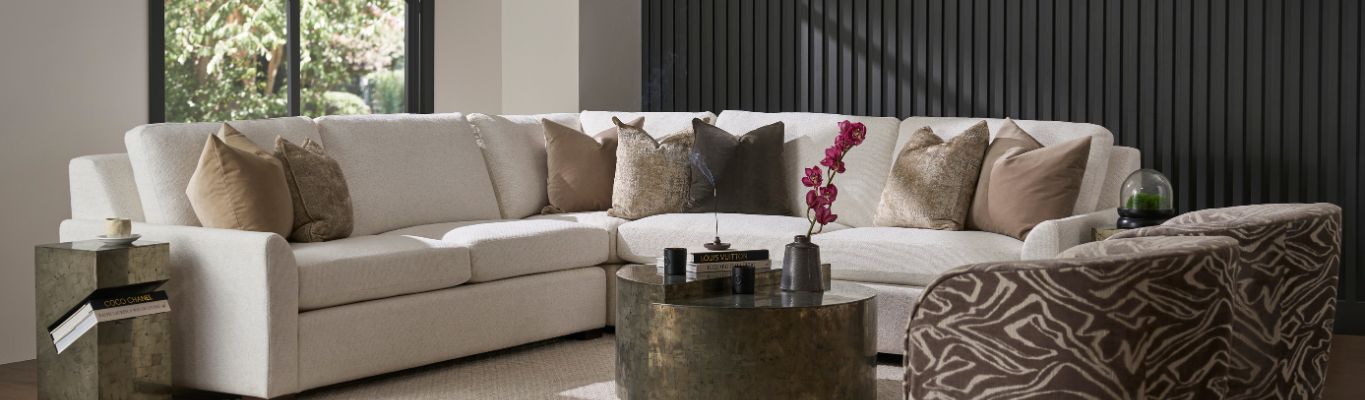
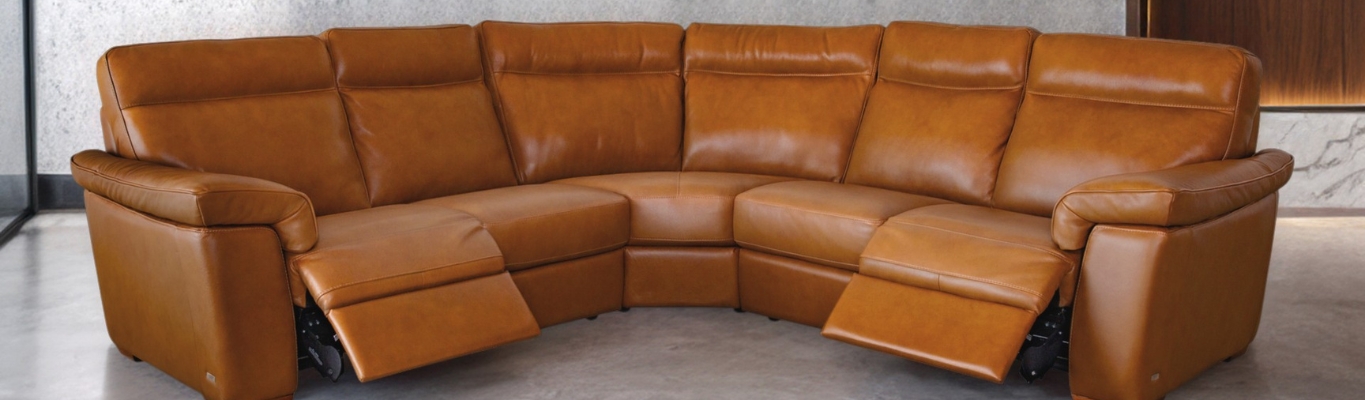
Start with your seating arrangement as the foundation. A quality sectional from Universal Furniture or Natuzzi Editions provides ample seating for families who use this space constantly. Sectionals work exceptionally well in Florida’s popular open-concept floor plans, defining the living area without blocking sightlines. Consider a sofa paired with complementary chairs for more formal living rooms, creating a conversation grouping. Hooker Furniture offers sophisticated upholstered pieces with refined details, perfect for elegant settings.
Scale matters tremendously in living rooms. Florida homes range from cozy coastal cottages to expansive waterfront estates, and your furniture must suit your specific square footage. In larger rooms, don’t be afraid of substantial pieces. An oversized sectional that seems large in a showroom may be perfectly proportioned for a great room with twelve-foot ceilings. Conversely, smaller living rooms benefit from apartment-scale sofas and loveseats from brands like Rowe, providing comfort without overwhelming the space.
Coffee tables and side tables complete your living room’s functionality. Choose a coffee table at least two-thirds the length of your sofa, positioned 14 to 18 inches away for comfortable leg room. Glass-top tables from Coastal Living create visual lightness in smaller spaces, while substantial wood tables from Magnussen Furniture ground larger rooms. Ensure you have a side table within arm’s reach of every seat for beverages, remotes, and personal items.
Consider Florida’s lifestyle when selecting upholstery. Performance fabrics treated for stain and moisture resistance make sense for family-focused living rooms where spills happen. Leather upholstery from Natuzzi Editions ages beautifully and offers natural moisture resistance that works well in humid climates. If your living room opens to outdoor spaces, choose materials that tolerate sandy feet and wet swimsuits without permanent damage.
Storage solutions keep living rooms organized and clutter-free. Media consoles house electronics while concealing unsightly cords and components. Bookcases display decorative objects and provide practical storage for books, games, and family photos. Magnussen Furniture offers entertainment centers and wall units that combine open display with closed storage, maintaining clean lines while accommodating modern technology.
Dining Room: Selecting Furniture for Memorable Meals
Key Takeaways:
- Allow 36 inches between the table edge and the walls for chair movement
- Extension tables accommodate larger gatherings without constant bulk
- Upholstered dining chairs in performance fabrics resist food stains
- Seat height should allow 10-12 inches between the seat and the table underside
The dining room brings family and friends together for meals, celebrations, and meaningful conversations. Furniture selection for this space must balance formal beauty with practical considerations about how the room is actually used.
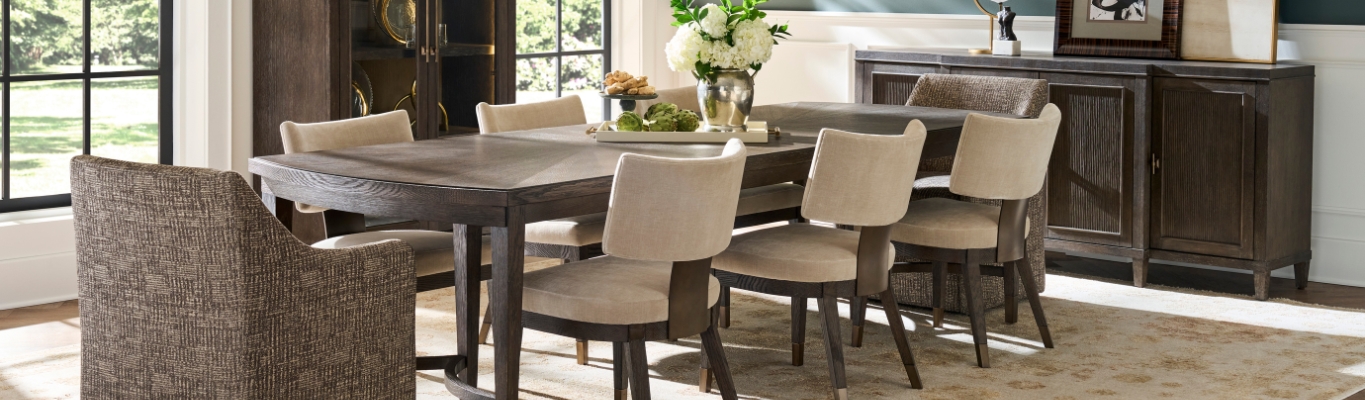
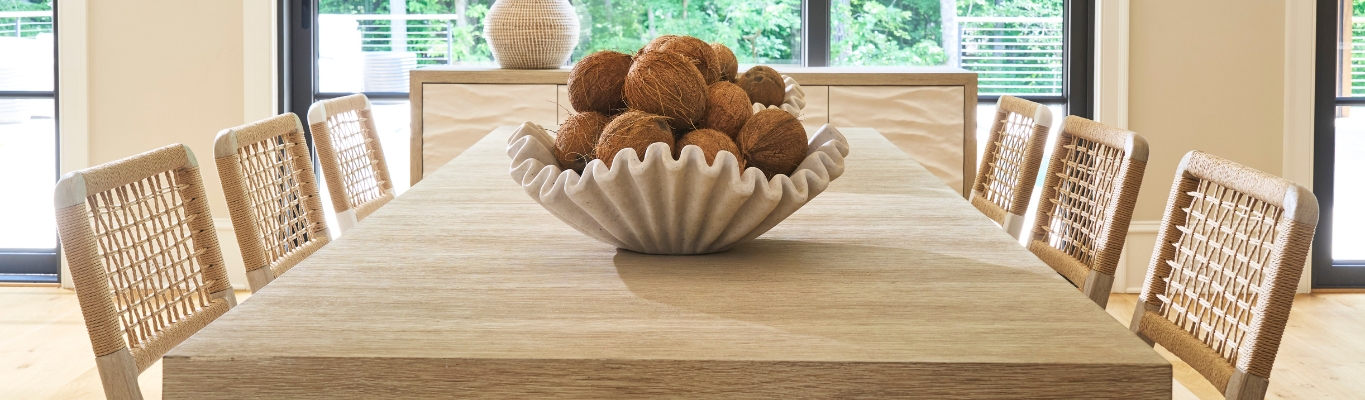
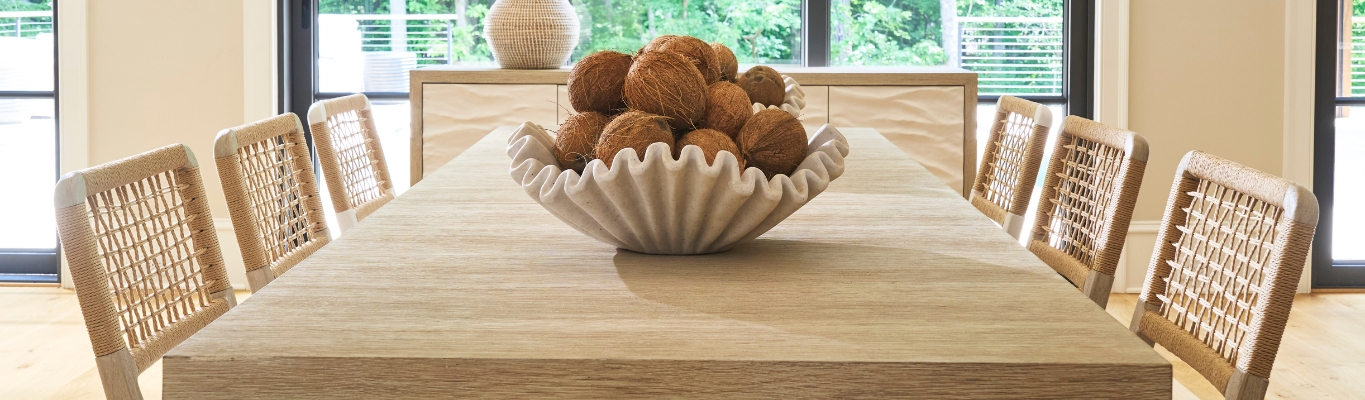
Your dining table represents the room’s centerpiece and deserves careful consideration. Table size depends on your room dimensions and typical guest count. A table seating six to eight works for most families, while those who entertain frequently may need seating for ten or twelve. Hooker Furniture offers extension tables that accommodate larger groups when required, while maintaining a manageable size for daily use. Allow at least 36 inches between the table edge and walls or other furniture for comfortable chair movement.
Table shape impacts both function and flow. Rectangular tables seat more people and fit most dining rooms well. Round tables encourage conversation and work beautifully in square rooms or breakfast nooks. Oval tables combine the seating capacity of rectangular tables with the softer lines of round designs. Consider your room’s proportions and how traffic flows through the space when choosing a table shape.
Dining chairs demand comfort since guests may sit for extended meals. Test chairs by sitting as you would during a long dinner. Seat height should allow 10 to 12 inches between the seat and the table underside. Upholstered seats add comfort, while performance fabrics resist staining from food spills. Armchairs at table ends provide extra comfort for hosts, though they require more space than side chairs.
Wood selection affects your dining room’s overall aesthetic. Dark woods like cherry and mahogany create formal elegance perfect for traditional homes. Lighter woods like oak or maple suit contemporary and coastal styles. Distressed finishes add casual character ideal for farmhouse or transitional interiors. Magnussen Furniture offers diverse wood species and finishes within their dining collections.
Storage furniture adds functionality beyond basic dining. Buffets and sideboards store table linens, serving pieces, and dining essentials while providing surface area for serving during meals. China cabinets display collectibles and fine dinnerware, adding vertical interest. Servers offer compact storage that is ideal for smaller dining rooms. Choose storage pieces that complement your table’s finish and style while meeting your actual storage needs.
Primary Bedroom: Designing Your Personal Retreat
Key Takeaways:
- Invest most heavily in mattress quality, it directly impacts health and sleep
- Nightstand height should align with the mattress top (24-28 inches typically)
- Performance fabrics on upholstered headboards resist Florida humidity
- Test drawer operation to ensure smooth gliding and quality construction
Your primary bedroom serves as a private sanctuary for rest and relaxation. Furniture selection should prioritize comfort and create a calming atmosphere that promotes quality sleep while reflecting your personal style.
The bed anchors your bedroom design both functionally and visually. Queen and king sizes are standard for primary bedrooms, with California king offering extra length for taller individuals. Your bed frame makes a significant style statement. Upholstered beds from Rowe create soft, inviting focal points perfect for contemporary and transitional spaces. Wood beds from Hooker Furniture offer timeless appeal with detailed headboards and substantial presence. Platform beds provide modern, low-profile alternatives to traditional bed frames.
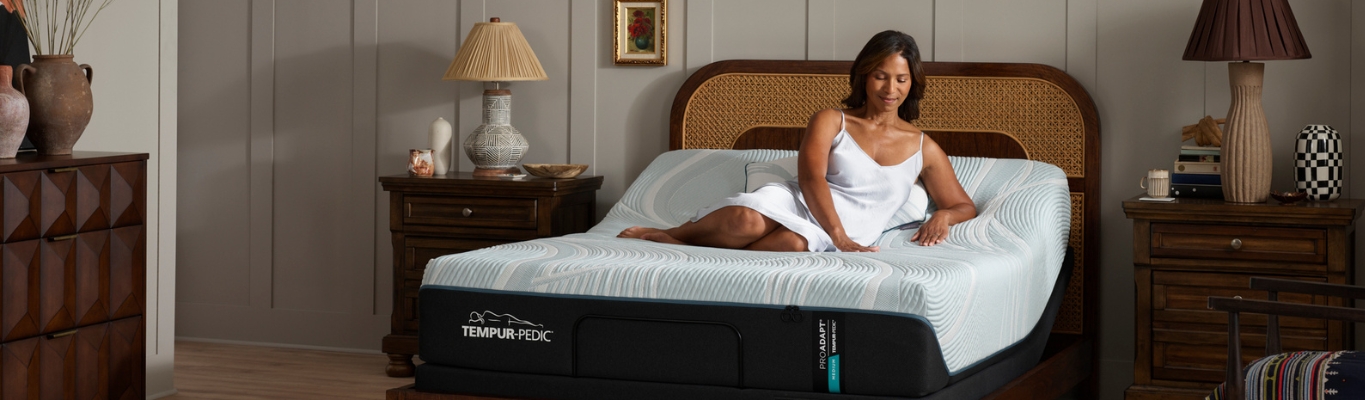
Mattress quality matters more than bed frame expense. Invest in a premium mattress from respected manufacturers like Tempur-Pedic or Stearns & Foster. Your mattress directly impacts sleep quality, overall health, and daily energy levels. Don’t compromise here, regardless of your furniture budget. Visit Matter Brothers’ mattress galleries to test options and receive expert guidance matching mattresses to your sleeping preferences.
Nightstands provide essential bedside functionality. Choose nightstands with adequate surface area for lamps, books, phones, and water glasses. Drawer or cabinet storage keeps personal items organized and accessible. Nightstand height should align with your mattress top, typically 24 to 28 inches tall, depending on the mattress and bed frame height. Matching nightstands create symmetry, though complementary pieces in similar finishes work equally well.
Dressers and chests offer crucial clothing storage. Assess your storage needs before selecting case goods. Couples may need two dressers or a combination of a dresser and a chest. Drawer organization varies among manufacturers. Some offer many shallow drawers ideal for folded items; others feature fewer, deeper drawers better for bulkier clothing. Test drawer operation to ensure smooth gliding and quality construction. Magnussen Furniture builds case goods with dovetail joinery and full-extension drawer glides that stand up to daily use.
Florida’s warm climate influences bedroom furniture materials. Wood furniture should have proper finish protection against humidity. Performance fabrics on upholstered headboards resist moisture and are easier to maintain than standard fabrics. Avoid placing wood furniture directly under air conditioning vents where temperature fluctuations cause expansion and contraction.
Home Office: Furnishing Your Productive Workspace
Key Takeaways:
- 32.6 million Americans will work remotely by 2025, driving home office demand
- Invest significantly in ergonomic desk chairs for daily 8+ hour use
- Desks need convenient power access for multiple devices and charging needs
- Position desks to minimize screen glare from Florida’s bright windows
Home offices have become essential spaces in Florida homes as remote work continues. According to GM Insights’ Home Office Furniture Market report, 32.6 million Americans will be working remotely by 2025, and as of December 2024, 10.32% of new job postings in the U.S. openly advertise remote or hybrid work opportunities. Furniture selection for home offices must prioritize ergonomics and functionality while creating an environment that promotes focus and productivity.
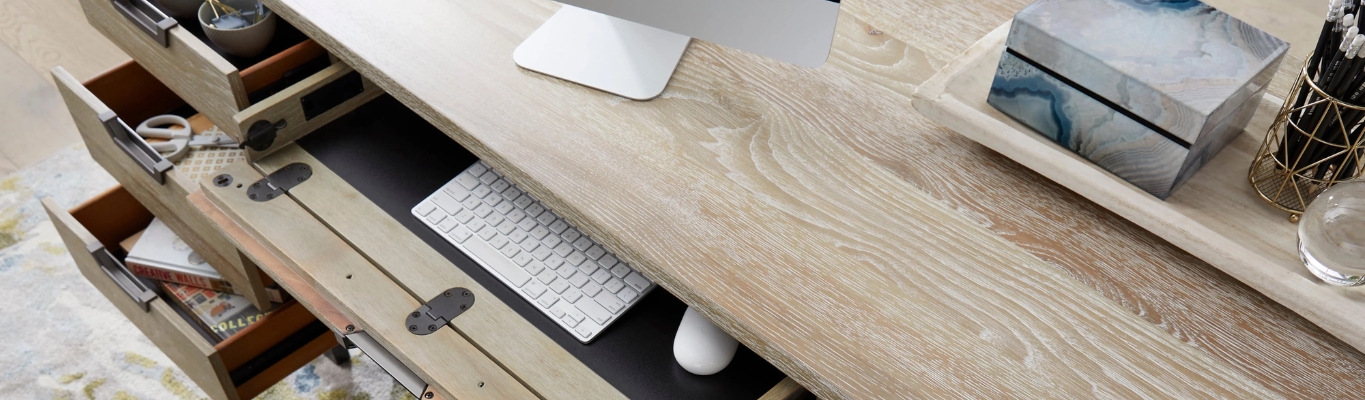
Your desk serves as the workspace foundation. Determine how much surface area you need based on your work requirements. Computer work needs room for monitors, a keyboard, and a mouse. Those working with physical documents need extra space for spread-out paperwork. L-shaped desks maximize surface area while fitting efficiently into corners. Writing desks offer simple, elegant solutions for minimal technology setups. Standing desks or adjustable-height options promote movement and provide ergonomic variety throughout the workday.
Desk chair selection impacts your physical comfort and long-term health. Spend generously here since you’ll sit in this chair for hours daily. Quality office chairs offer adjustable height, lumbar support, armrest positioning, and seat depth. Test chairs by sitting for at least ten minutes, adjusting all features to your body. The chair should support your lower back, allow your feet to rest flat on the floor, and position your arms at 90-degree angles while typing.
Storage solutions keep home offices organized and functional. Filing cabinets store important documents securely while keeping them accessible. Bookcases house reference materials, supplies, and decorative objects. Credenzas provide concealed storage for equipment and supplies while offering additional work surface. Hooker Furniture manufactures executive office collections with coordinated desks, storage pieces, and seating that create cohesive, professional home offices.
Consider technology integration when planning home office furniture. Desks need convenient power access for computers, monitors, printers, and charging devices. Built-in cable management keeps cords organized and out of sight. Some desks include built-in USB ports and charging stations. Ensure adequate ventilation around electronic equipment to prevent overheating in Florida’s climate.
Create distinct work and relaxation zones if space permits. A small seating area with a comfortable chair from Four Seasons provides a place for reading, phone calls, or simply changing position during long workdays. This separation helps maintain work-life boundaries even when your office is inside your home.
Children’s Rooms: Selecting Furniture That Grows With Your Family
Key Takeaways:
- Choose neutral, timeless furniture rather than character-themed pieces
- Ensure all case goods have anti-tip hardware secured to walls
- Full-size beds accommodate growth spurts better than twin beds
- Performance fabrics and durable finishes withstand children’s activities
Children’s bedrooms require furniture that’s durable, safe, and adaptable as kids grow from toddlers to teenagers. Smart selections provide years of use without constant replacement while creating spaces children genuinely enjoy.
Bed selection depends on the child’s age and how long you want the furniture to last. Twin beds work for most children and fit smaller bedrooms efficiently. Full-size beds accommodate growth spurts and provide extra space for reading, homework, and lounging.
Prioritize safety in children’s furniture. Look for rounded edges rather than sharp corners. Ensure case goods have anti-tip hardware that secures tall pieces to walls, preventing tipping accidents. Drawers should have stops preventing them from being pulled completely out. Bunk beds and loft beds need sturdy guardrails and stable ladder construction. Verify that all furniture meets current safety standards.
Storage solutions help manage toys, clothes, books, and school supplies. Dressers with multiple drawers organize clothing as kids learn to dress independently. Bookcases store books at accessible heights, encouraging reading habits. Toy chests or storage benches corral toys while providing seating. As children age, their storage needs shift from toys to school supplies, sports equipment, and hobby materials. Flexible storage systems adapt to changing requirements.
Choose neutral, timeless furniture that transcends specific ages and interests. Children’s interests change rapidly, making character-themed furniture quickly outdated. Classic wood furniture or simple upholstered pieces work from childhood through teenage years. Let bedding, artwork, and accessories reflect current interests since these are easier and less expensive to update as preferences change.
Durability matters tremendously in children’s furniture. Kids are hard on furniture through rough play, homework mishaps, and general daily use. Quality construction withstands this treatment better than cheaply made pieces. Furniture from established manufacturers includes proper joinery, stable construction, and durable finishes that tolerate children’s activities.
Casual Dining Areas and Breakfast Nooks
Key Takeaways:
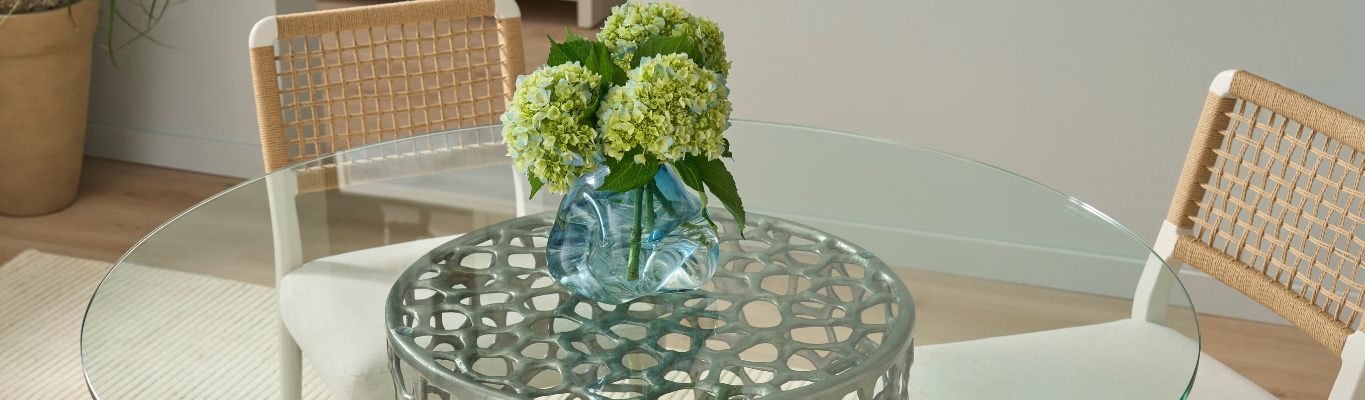
- Round or oval tables fit efficiently into compact breakfast nook spaces
- Banquette seating maximizes space while adding built-in charm
- Counter-height tables work well in open-concept kitchens
- Performance fabrics make sense where spills happen frequently
Breakfast nooks and casual dining areas provide relaxed spaces for family meals, morning coffee, and everyday dining. These spaces deserve thoughtful furniture selection even though they’re less formal than traditional dining rooms.
Round or oval tables work beautifully in breakfast nooks, encouraging conversation and fitting efficiently into smaller spaces. These shapes allow easier movement around the table in compact areas compared to rectangular tables. Pedestal bases provide maximum leg room since chairs aren’t competing with table legs for space. Four-person tables suit most families, while six-person tables accommodate larger households or frequent guests.
Banquette seating maximizes space in breakfast nooks and adds built-in charm. L-shaped or U-shaped banquettes provide substantial seating without the space requirements of individual chairs. Upholstered banquettes add comfort for lingering over meals and conversation. Performance fabrics make sense here since spills happen frequently in casual dining areas. Consider banquettes with storage underneath for extra functionality.
Counter-height tables create casual, contemporary dining alternatives. These taller tables with coordinating stools or counter-height chairs work well in open-concept spaces flowing into kitchens. They provide a defined dining space without blocking sightlines. Counter-height seating works beautifully at kitchen islands, creating additional casual dining options.
The Florida lifestyle often includes indoor-outdoor flow, and breakfast areas frequently open to lanais or patios. Choose furniture materials that tolerate occasional exposure to outdoor elements when doors are open. Quick-drying upholstery fabrics resist moisture from humidity or rain blown through open doors.
Outdoor Living Spaces: Extending Your Home to the Lanai
Key Takeaways:
- Use only furniture specifically manufactured for outdoor use
- Sunbrella and marine-grade fabrics resist fading and mildew
- Position furniture considering how shade patterns change throughout the day
- Store cushions during hurricanes and extended non-use periods
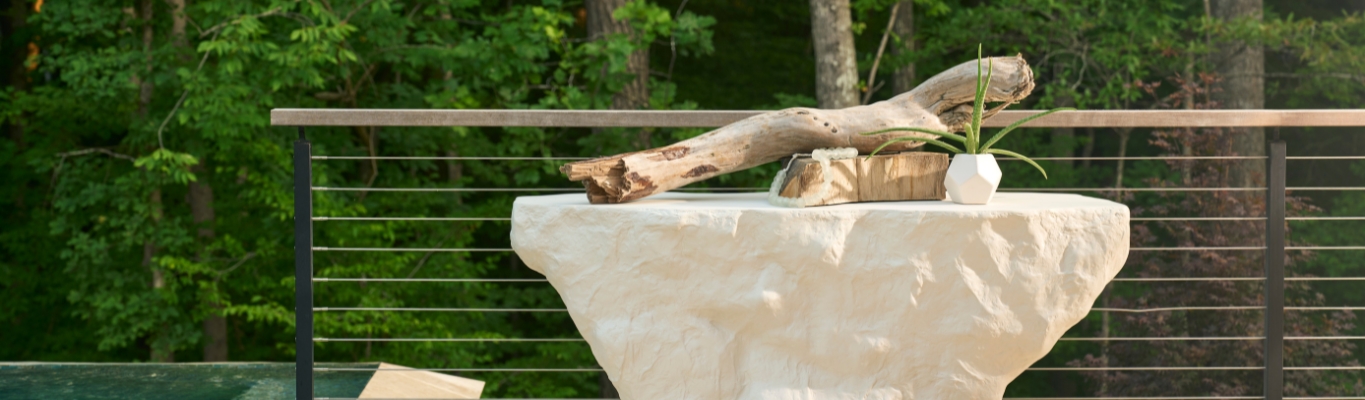
Florida’s climate makes outdoor living spaces essential extensions of your home. Lanais, patios, and pool areas function as outdoor rooms for much of the year, deserving the same attention to furniture selection as interior spaces.
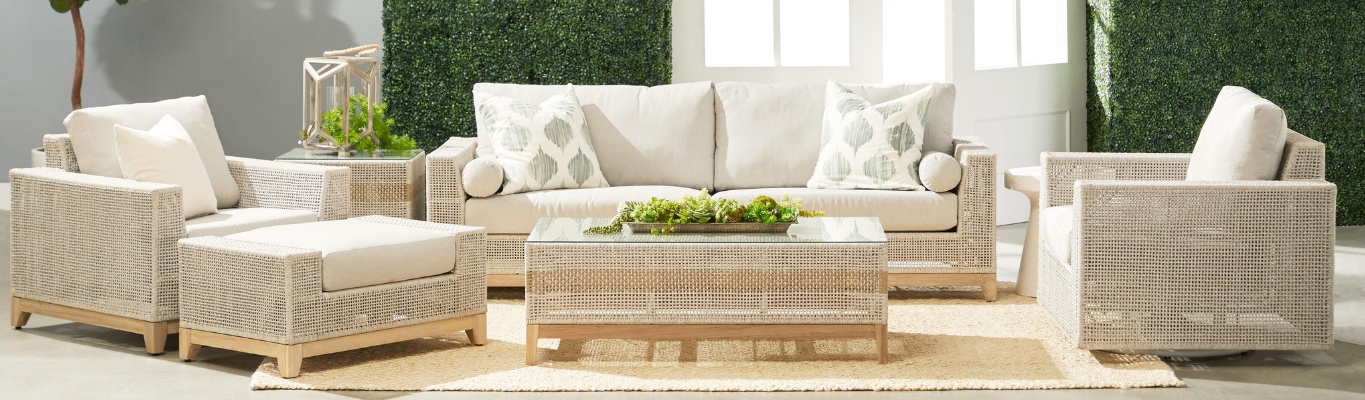
Outdoor furniture must withstand Florida’s demanding climate, including intense UV exposure, high humidity, salt air in coastal areas, and potential hurricane conditions. Choose furniture specifically manufactured for outdoor use with weather-resistant materials. All-weather wicker, marine-grade fabrics, powder-coated aluminum, and stainless steel resist Florida’s elements. Avoid bringing indoor furniture outside, even under covered lanais, as humidity alone can cause significant damage.
Seating arrangements for outdoor spaces mirror indoor living room concepts. Outdoor sectionals from Coastal Living create comfortable conversation areas on lanais. Deep seating with thick cushions provides the comfort level Florida’s outdoor lifestyle demands. Arrange furniture to encourage conversation while taking advantage of views. Consider traffic flow from indoor spaces to pools or outdoor kitchens when positioning furniture.
Cushion selection significantly impacts outdoor furniture comfort and longevity. Sunbrella and similar marine-grade fabrics resist fading, moisture, and mildew. Quick-dry foam cores prevent water retention, which causes mildew growth. Choose cushion colors considering Florida’s intense sun, which fades colors over time. Store cushions during hurricanes and extended periods of non-use to maximize their lifespan.
Consider your outdoor space’s style relationship to interior rooms. Coastal homes might feature relaxed, natural materials echoing the interior coastal style. Contemporary homes could use sleek outdoor furniture with clean lines matching interior aesthetics. Creating visual flow between indoor and outdoor spaces makes your home feel larger and more cohesive.
Hurricane preparation affects outdoor furniture decisions. Lightweight furniture must be secured or stored during storms. Heavier furniture resists wind better but is harder to move. Some homeowners invest in two outdoor furniture sets, keeping expensive pieces in storage during hurricane season and using more economical furniture they’re comfortable leaving exposed.
Frequently Asked Questions About Room-by-Room Furniture Selection
Q: How much should I budget to furnish each room?
A: According to Coolest Gadgets’ furniture statistics analysis, the majority of U.S. consumers are willing to spend between $501 and $1,000 on individual furniture pieces in 2024, with 28% willing to spend $1,001-$2,500 per piece. Prioritize your budget toward pieces you use daily—invest most heavily in mattresses, primary seating, and home office chairs. Secondary spaces like guest bedrooms can utilize more economical options.
Q: What’s the most important factor when selecting furniture for Florida homes?
A: Material durability in humid conditions. Florida’s climate demands furniture with proper finish protection, performance fabrics that resist moisture and mildew, and construction that withstands humidity fluctuations. Even the most beautiful furniture fails if the materials can’t handle Florida’s demanding environment.
Q: Should I buy all my furniture at once or room by room?
A: Room by room is typically better. Start with spaces you use most frequently—living room, primary bedroom, and, if applicable, the home office. This approach prevents budget exhaustion that forces poor choices on later purchases and allows you to live with pieces before committing to additional investments.
Q: How do I know if furniture will fit in my space before buying?
A: Measure your room dimensions and use painter’s tape on the floor to mark furniture footprints. Live with these markers for several days, walking through your normal traffic patterns. This reveals if layouts work practically. Allow at least 30 inches for primary pathways and 18 inches for secondary paths.
Q: Is outdoor furniture really different from indoor furniture?
A: Yes, critically different. Outdoor furniture uses weather-resistant materials specifically engineered to withstand UV exposure, moisture, temperature swings, and humidity. Indoor furniture lacks these protections and will deteriorate rapidly outdoors, even under covered areas. Never use indoor furniture outside in Florida’s climate.
Q: When should I replace the furniture versus reupholstering or refinishing it?
A: If the frame construction is solid and the piece has good bones, reupholstering or refinishing often makes sense, especially for quality pieces from manufacturers like Hooker or Magnussen. However, if cushions have lost support, frames are unstable, or the piece no longer serves your needs functionally, replacement is the better investment.
Q: How important is brand name when buying furniture?
A: According to Statista’s consumer survey data, 28% of consumers find brand names “moderately important” when purchasing furniture. Established brands like Natuzzi Editions, Hooker Furniture, and Universal Furniture typically offer better construction quality, longer warranties, and more reliable customer service than unknown manufacturers. Brand matters most for pieces you’ll use daily and expect to last years.
Q: What furniture should I absolutely not compromise on for quality?
A: Never compromise on mattresses, desk chairs used for 8+ hours daily, and primary seating in your main living area. These pieces directly impact your health, comfort, and daily quality of life. Compromising here leads to regret and often results in replacing items sooner, costing more in the long run.
Making Your Furniture Selections Count
Selecting luxury furniture room by room ensures each space in your Florida home functions beautifully while reflecting your personal style. By considering the specific requirements of living rooms, dining spaces, bedrooms, home offices, children’s rooms, casual dining areas, and outdoor living spaces, you create a home where every room serves its purpose perfectly.
The U.S. furniture market’s projected growth to $253.42 billion in 2025 reflects Americans’ continued investment in quality home furnishings. With living room furniture representing the largest segment and home office furniture experiencing a 4.4% CAGR through 2034 due to the remote work boom, strategic furniture selection has never been more important.
Matter Brothers Furniture’s five Southwest Florida locations in Ft Myers, Naples, Pinellas Park, Tarpon Springs, and Sarasota provide the showrooms, selection, and expertise to guide your room-by-room furniture decisions. With access to premier brands like Natuzzi Editions, Hooker, Universal Furniture, Magnussen Furniture, Coastal Living, Braxton Culler, Four Seasons, and Rowe, you’ll find pieces perfectly suited to each space’s unique requirements.
Quality furniture represents an investment in your daily comfort and your home’s beauty. When selected thoughtfully with attention to how you actually live in each room, luxury furniture enriches your life for decades, making your Florida home a true reflection of who you are and how you want to live.
About Matter Brothers Furniture
Since 1977, Matter Brothers Furniture has been Southwest Florida’s trusted source for luxury home furnishings. Visit our showrooms in Ft Myers, Naples, Pinellas Park, Tarpon Springs, and Sarasota to experience our curated collections from the world’s finest furniture manufacturers. Our design consultants are available to help you create spaces that combine exceptional style with practical functionality, tailored to Florida living.